MEDIEVAL SPAIN · HERITAGE · HONOUR

A title from
medieval Spain.

Explore Spanish titles inspired by the counties, lordships and noble houses of medieval Iberia. Choose a title with a story rooted in Castile, León, Aragón, Catalonia and the Pyrenees.

Personalised presentation · Historical background · A distinctive gift
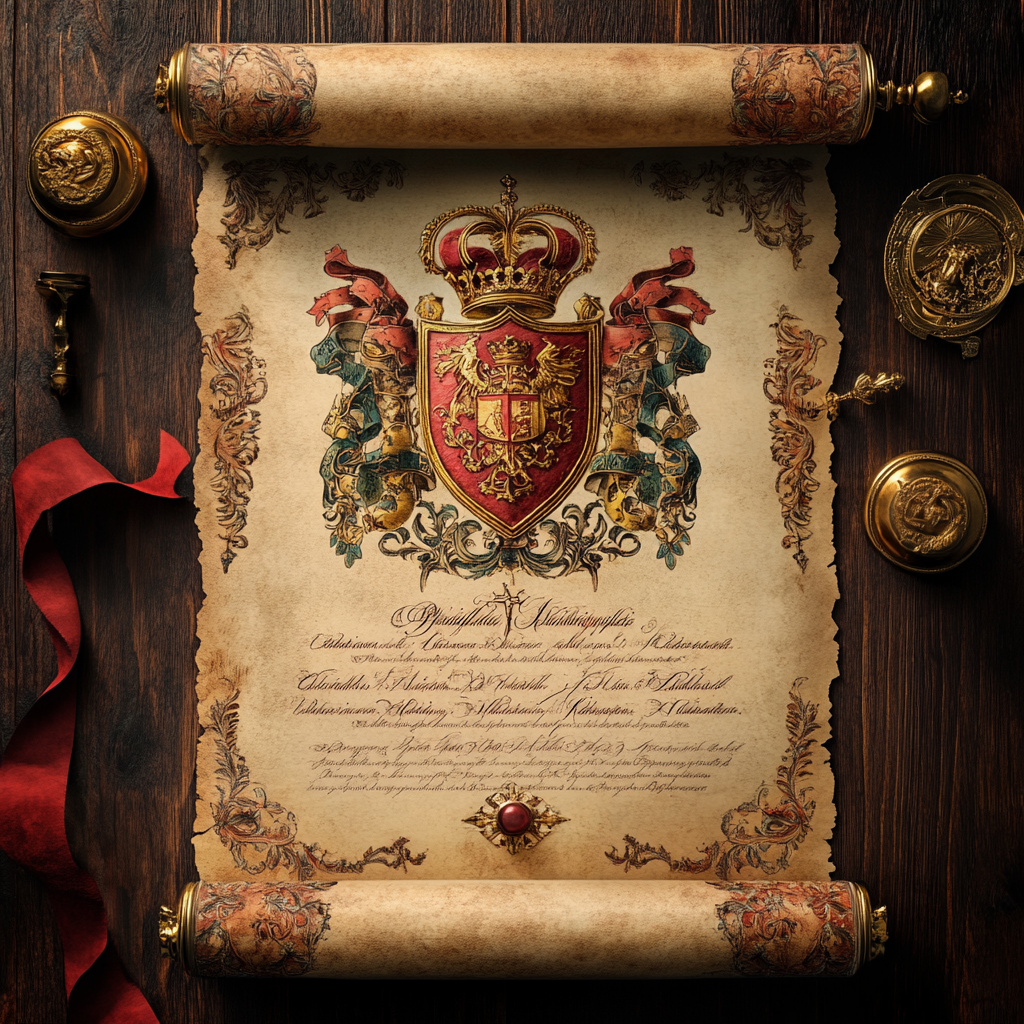
Personalised Spanish noble title certificate
NOBLE SOCIETY INSTITUTE

Discover the stature of a Spanish noble title

Titles shaped by the stories, regions and traditions of medieval Iberia — prepared as a personal presentation around the name you choose.

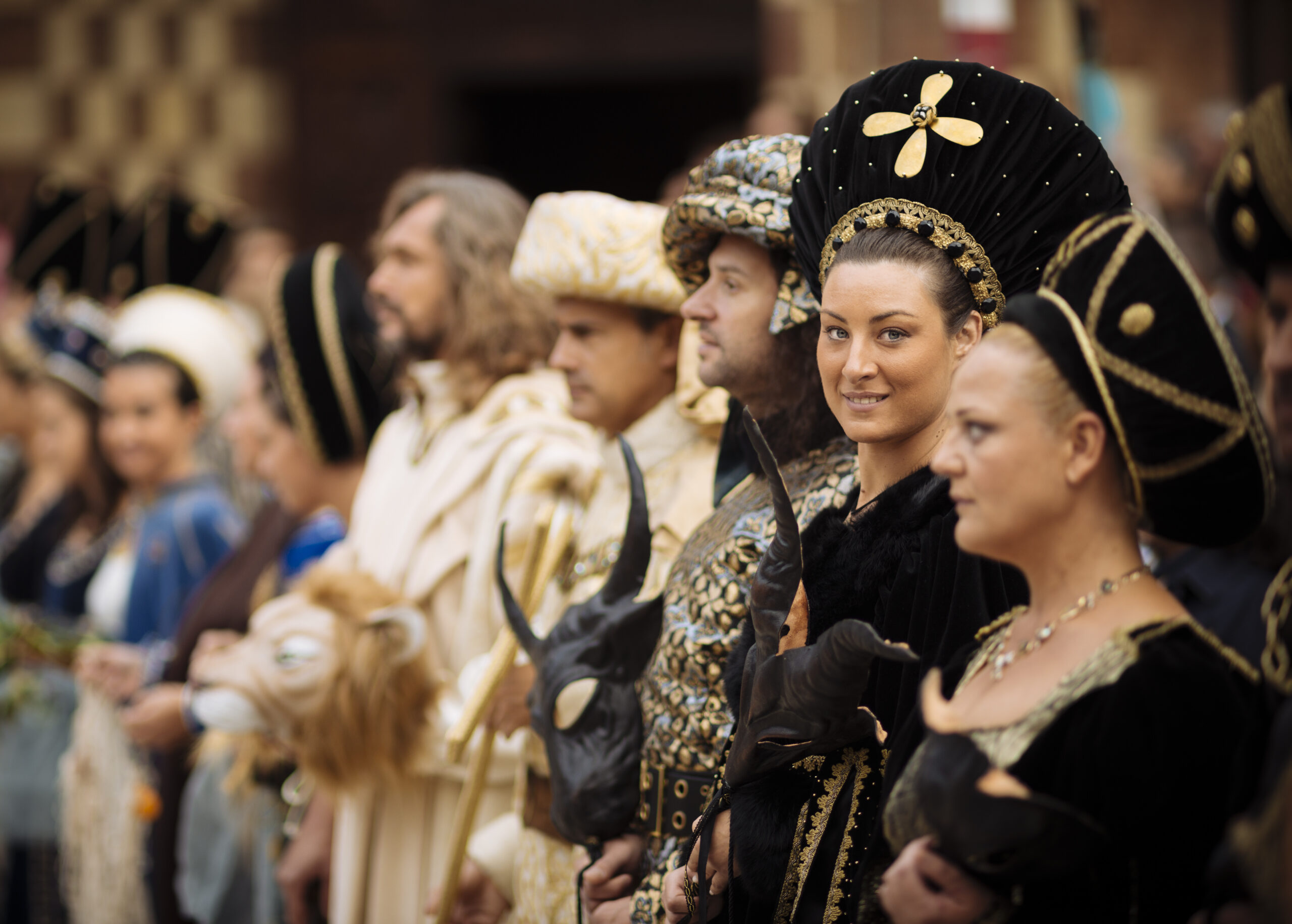
Spanish court in historic dress

THE PERSONAL PRESENTATION

Made around your name

Since 1999, Noble Society has presented distinctive titles to customers seeking a memorable connection with European history. Choose a Spanish count or lordship with a personal presentation and heraldic character inspired by medieval Iberia.

Choose your favourite from our Spanish collection and receive the accompanying personalised appointment documents. Every presentation is prepared around the name you provide and brings together the chosen title, its historical setting and the atmosphere of the old kingdoms of Spain.

Medieval Spanish heritage

FOR YOURSELF OR A GIFT

A story worth sharing

Enjoy the name as part of your personal style: on a calling card, in a private introduction, or as a striking conversation piece. Display the appointment document in an office or at home, or give the presentation to someone who enjoys history, heraldry and a little theatre.

Spanish titles make an unusual gift as well as a personal choice. Our presentation folders are created for the individual recipient and make the occasion feel considered from the first page to the final seal.

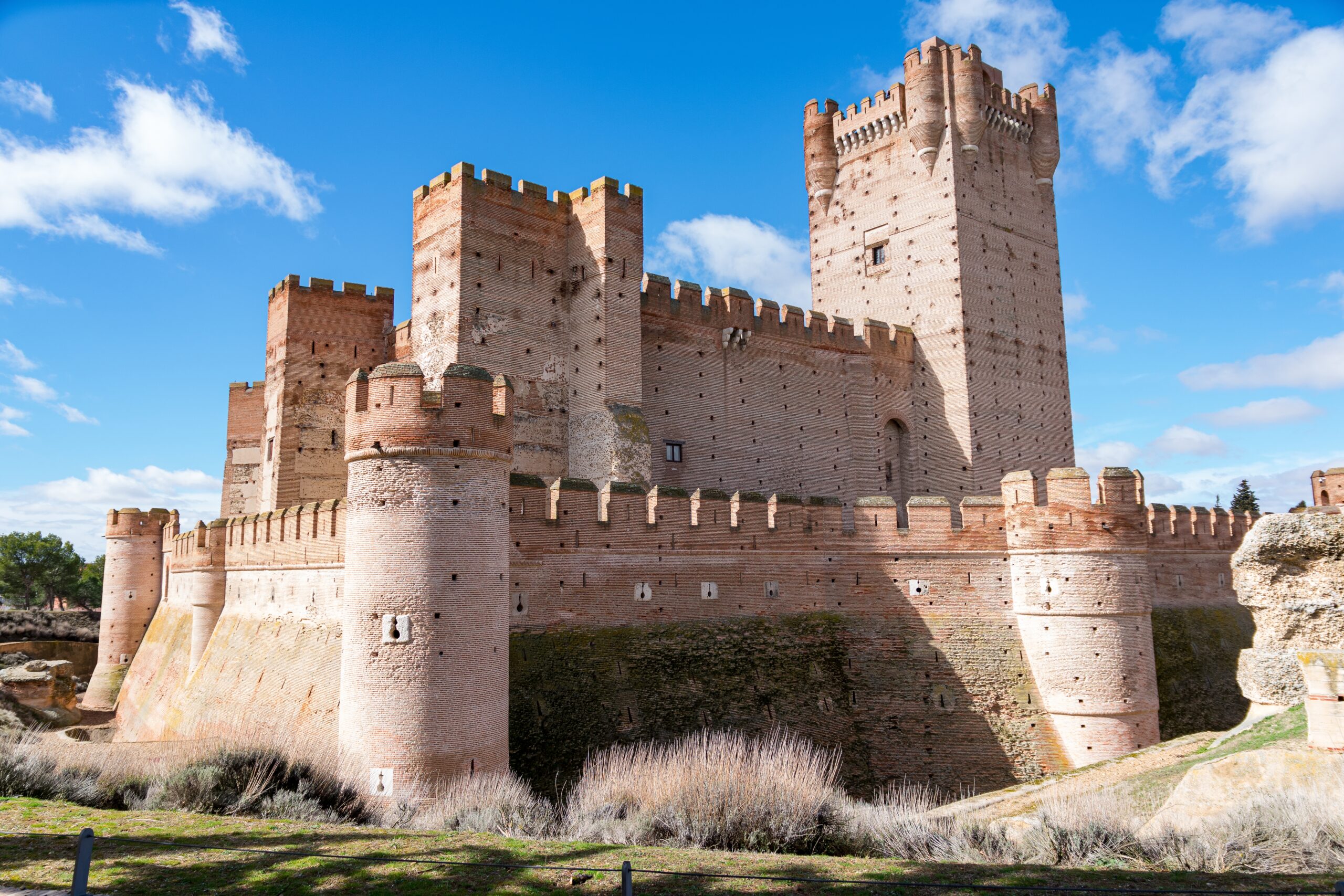
Historic Iberian landscape

ACROSS MEDIEVAL IBERIA

A title with a place and a character

The collection follows the varied map of medieval Iberia. Choose from historic counties and lordships associated with Castile, León, Aragón, Catalonia, Navarra, the Basque Country and the Pyrenees — from the Conde de Pallars and Conde de Ribagorza to the Señor de Vizcaya, Señor de Cameros and Señor de Lara.

Each title has a different historical backdrop: mountain counties, frontier lordships, old noble houses and royal lands. That variety lets you choose not simply a rank, but a story with its own region and character. Whether you select a title for yourself or give it as a memorable present, the result is a tailored Spanish title presentation with a sense of occasion, history and identity.

NOBLE SOCIETY INSTITUTE

Historic names.
Brought back to life.

For centuries, noble houses, principalities and imperial courts across Europe and Asia created a fascinating culture of resonant names, coats of arms and ceremonial traditions. Today, many of these venerable names lie almost forgotten in dusty archives, historic registers and richly illustrated books of heraldry.

At Noble Society Institute, we believe that is far too good to leave to the history books.

That is why we take these traditional inspirations and translate them into an elegant, contemporary form. Guided by historic sources and classic heraldic art, we create personal certificates, finely crafted coats of arms and document sets made simply to bring joy — as an extraordinary gift, a playful accessory for the next hotel reservation, or a stylish statement for the office.

The result is not a dry museum piece, but your personal Aristonym: a resonant byname with character, history and a visual identity tailored precisely to the name you choose.

OUR FOUNDATION

Three pillars for your presentation

01

Historic inspiration

Whether a German Freiherr, a French Chevalier, a Tuscan Conte or the elevated heraldic culture of Japanese noble houses — our exclusive titles draw on genuine historical models, bridge them elegantly into the present and reflect the spirit of their era.

02

Heraldic craftsmanship

A distinguished name deserves unmistakable insignia. Our coats of arms are designed with the classic rules of European heraldry in mind, prepared with exceptional digital precision and created to look sharp on certificates, seal cards and fine prints.

03

Your personal presentation

You receive a tailored presentation folder: from the artistically designed appointment certificate on quality paper to print-ready vector files of your coat of arms, together with practical ideas for using your new byname in everyday life with style and a smile.

There are no dusty claims of inheritance or legal castles in the air here. No one wakes up tomorrow as a reigning king — but as the owner of a tastefully designed Aristonym that is certain to start a conversation.

10 titlesSelected from medieval Iberia
Five regionsFrom León to the Crown of Aragon
Historic rootsCounties, lordships and great houses
Made personalPrepared around your chosen name
WELCOME TO NOBLE ESPAÑA

Choose a story from the old kingdoms of Spain

Before modern Spain, the peninsula was a tapestry of kingdoms, mountain counties and frontier lordships. The titles in this collection draw their character from that world: Castile and León, Aragón and Catalonia, Navarra and the Pyrenees.

Each title is presented as a distinctive personal gift, with a historical setting that gives the name its atmosphere and sense of place.

Historic Spain

THE COLLECTION

Ten titles. Ten medieval stories.

Discover counts and lords connected with the historic regions of medieval Spain. Select any title in the shop to begin your presentation.

CATALONIA · CROWN OF ARAGON
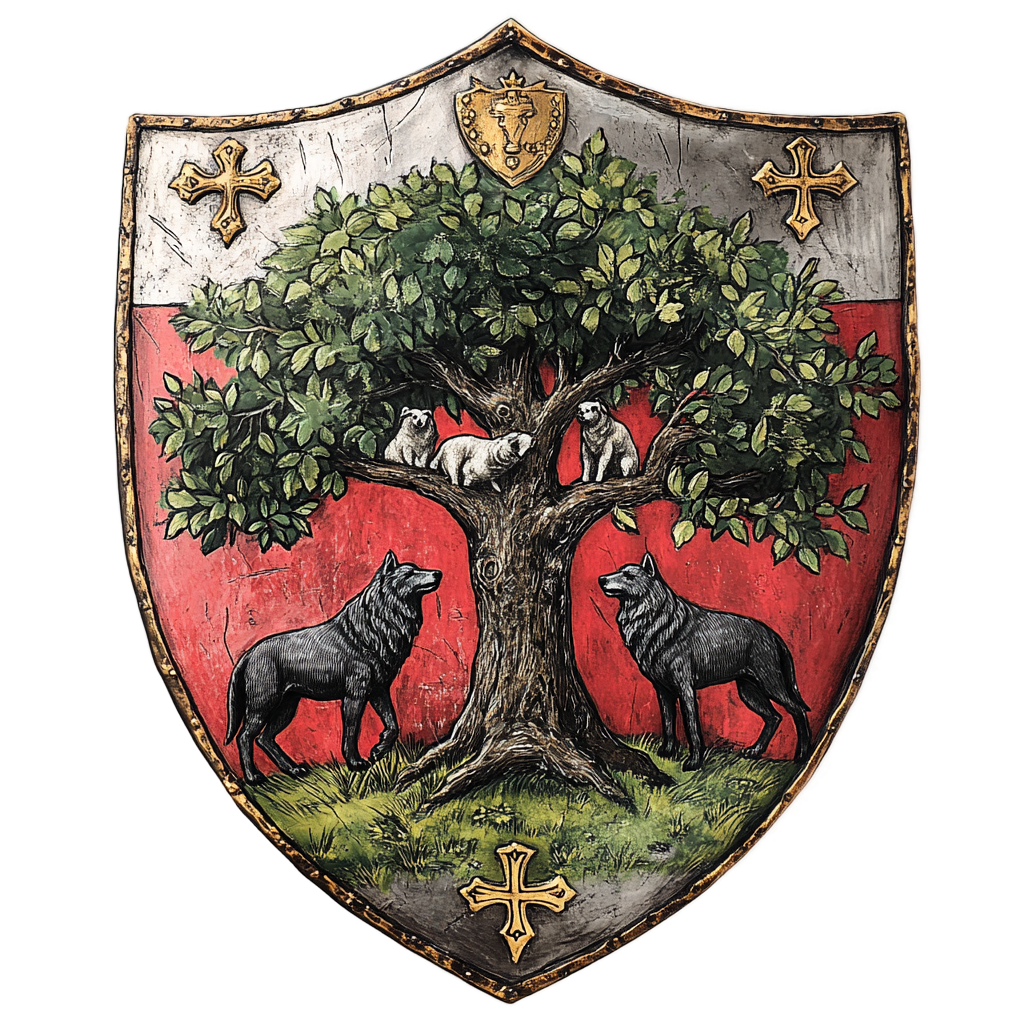
Conde de Pallars coat of arms

Conde de Pallars

An ancient Pyrenean county whose noble line endured from the ninth century into the late Middle Ages.

BASQUE COUNTRY · CASTILE
Señor de Vizcaya coat of arms

Señor de Vizcaya

A lordship associated with the powerful House of Haro and the historic lands of Biscay.

NAVARRA · CASTILE
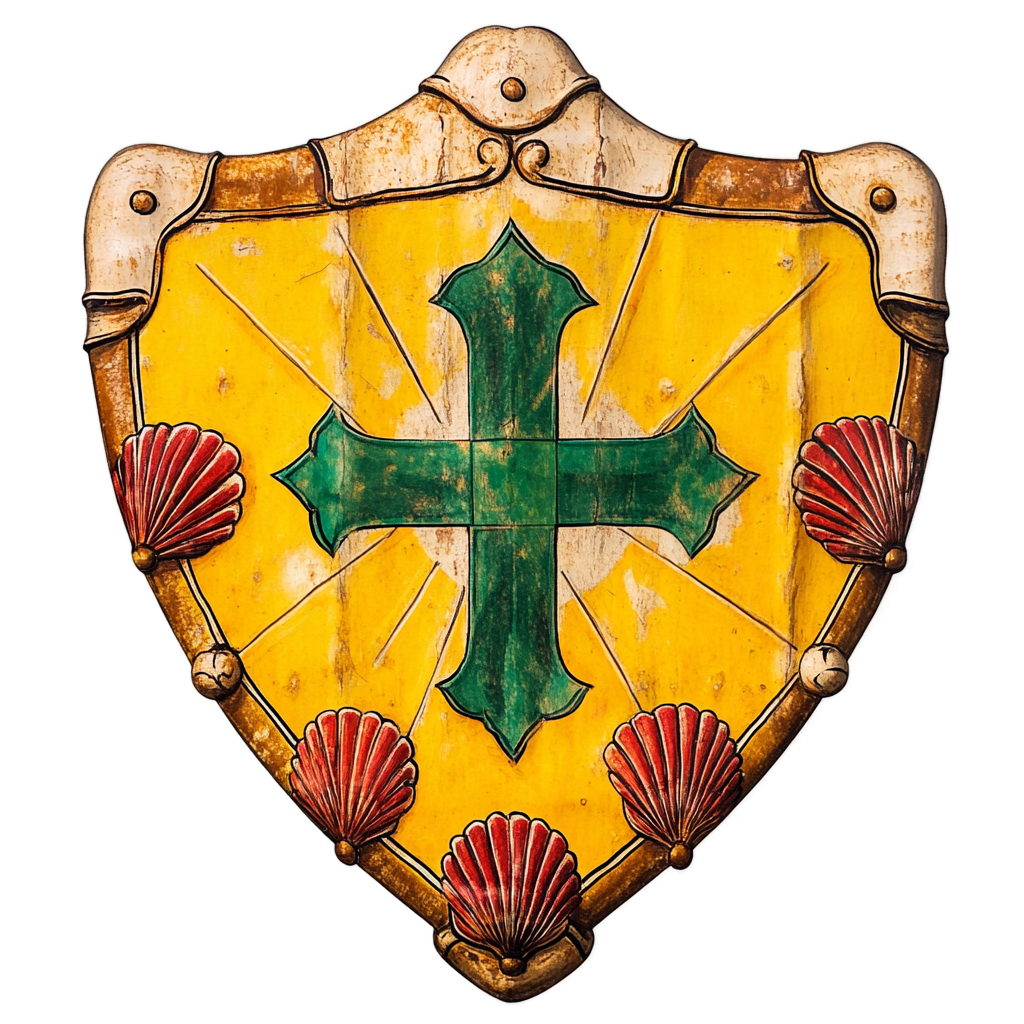
Señor de Cameros coat of arms

Señor de Cameros

A significant frontier lordship shaped by the shifting borders of medieval Iberia.

ARAGON
Conde de Ribagorza coat of arms

Conde de Ribagorza

A Pyrenean county with roots reaching back to the earliest centuries of Aragón.

CASTILE
Señor de Molina coat of arms

Señor de Molina

An independent frontier lordship, remembered through the final ruler Doña Blanca de Molina.

KINGDOM OF LEÓN
Conde de Saldaña coat of arms

Conde de Saldaña

A title connected to the Beni Gómez, one of the most memorable dynasties of early León.

ARAGON · VALENCIA
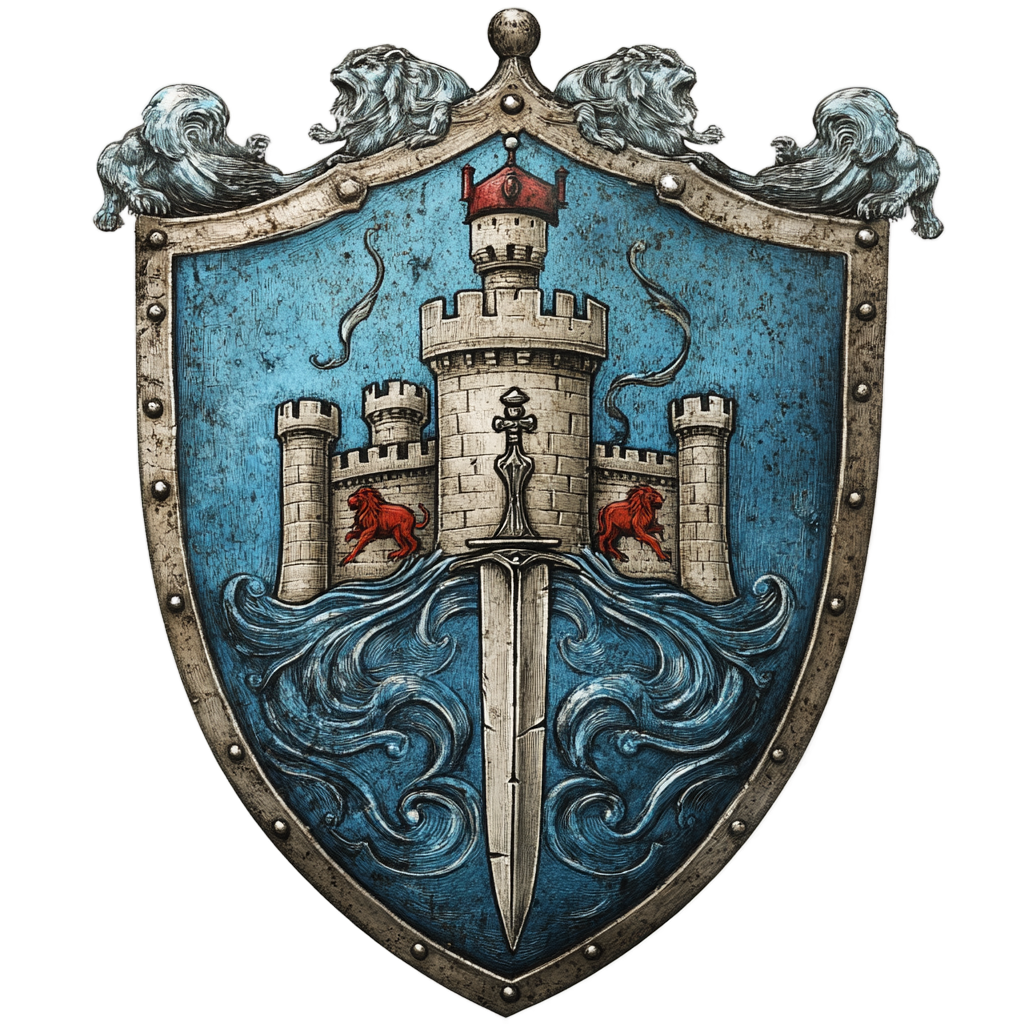
Señor de Albarracín coat of arms

Señor de Albarracín

A sovereign mountain lordship of the Azagra family, later absorbed by Aragón.

CASTILE · LEÓN
Conde de Carrión coat of arms

Conde de Carrión

A celebrated medieval dynasty known from the world of the Cid and the old Castilian epics.

CROWN OF ARAGON
Conde de Prades coat of arms

Conde de Prades

A fourteenth-century county created for the infantes of Aragón.

CASTILE
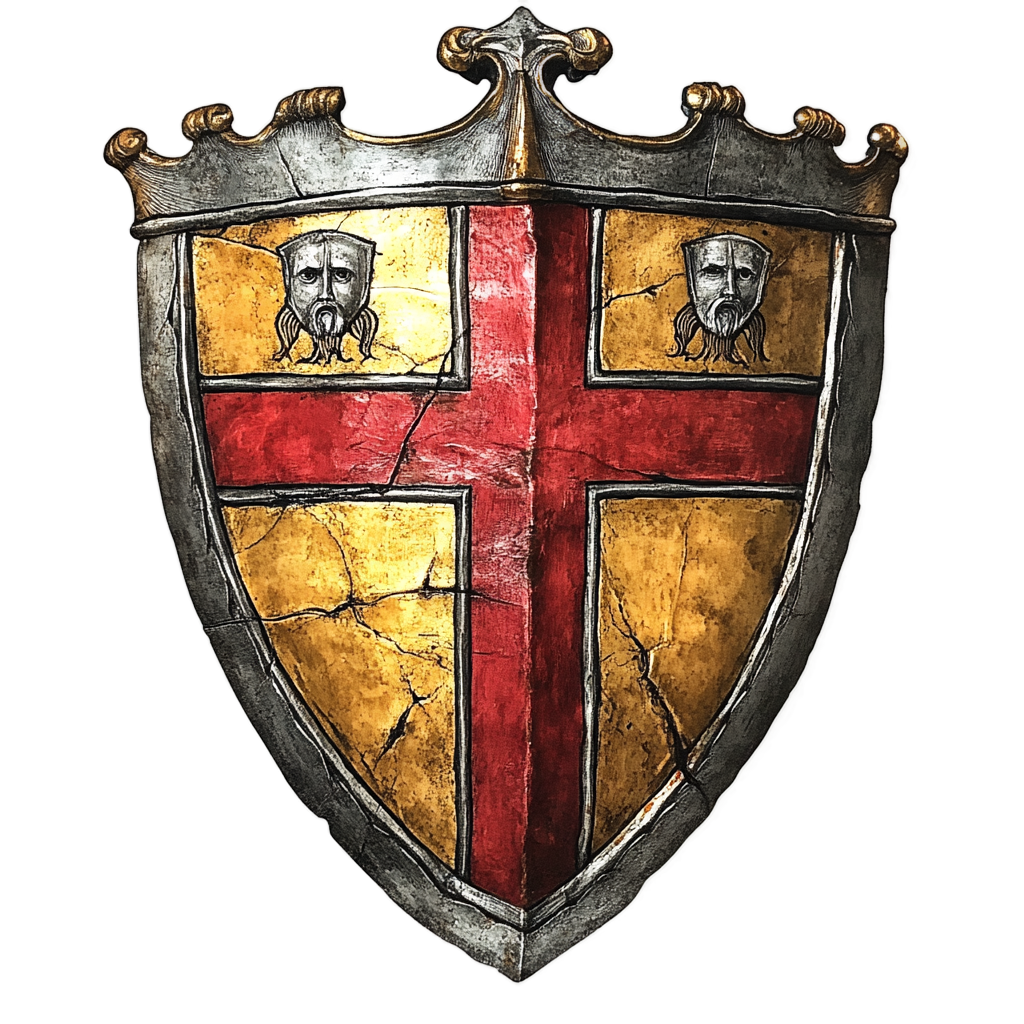
Señor de Lara coat of arms

Señor de Lara

A title from the mighty House of Lara, one of Castile’s great noble lineages.

USELESSLY FASCINATING

Eight stories from medieval Spain

Treasure chests full of sand, royal chess, rebellious barons and a court that turned dinner into theatre.

01 · BURGOS

El Cid’s sand-filled treasure chests

Before one campaign, El Cid needed money badly. His solution was to pledge two locked chests he claimed were filled with captured gold.

More

The chests went to the Burgos merchants Raquel and Vidas, who were told never to open them. Inside was not treasure, but sand. The episode became one of the sharpest scenes in the Cid story: a warrior with a magnificent reputation and an urgent cash-flow problem. When he later returned wealthy, the chests were redeemed with real money. The merchants finally had payment, the Cid had his campaign funds, and the sand had completed one of medieval Spain’s most memorable supporting roles.

02 · CASTILE

Buy a horse, join the elite

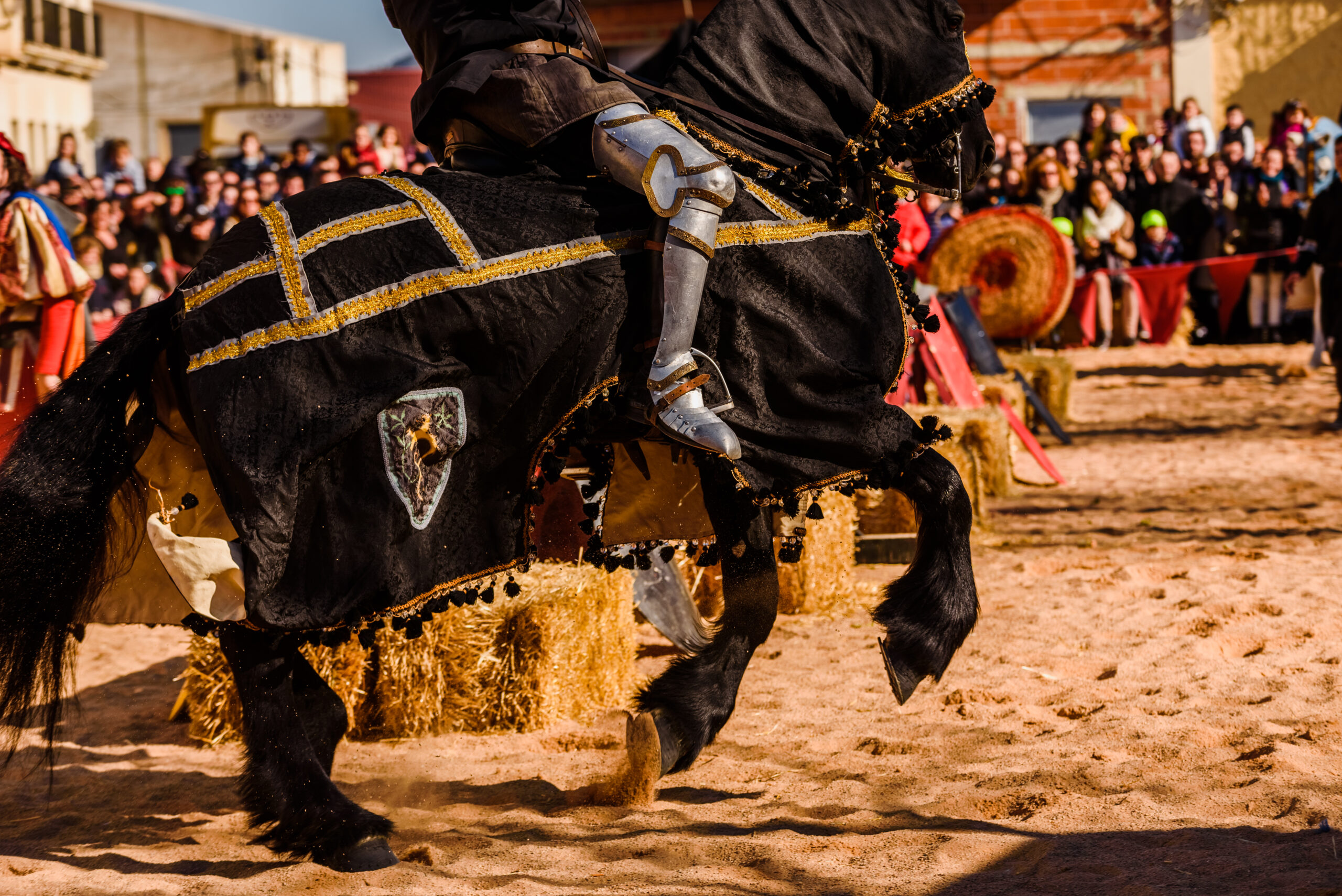
In frontier Castile, noble status was not always inherited. A man with a warhorse, armour and a lance could rise remarkably fast.

More

These mounted townsmen were known as caballeros villanos, literally “village knights.” The name sounds insulting today, but the position was serious: military readiness could bring tax privileges, legal advantages and a place among the local elite. On a dangerous frontier, a reliable rider mattered more than an impeccable pedigree. Medieval Castile therefore offered an unusually practical route upward: acquire the right horse, prove that you could fight from it, and discover that your social life had just become much more aristocratic.

03 · VALENCIA

The warrior who rode out after death

El Cid’s final appearance was said to be so intimidating that even death was not allowed to remove him from the battlefield.

More

After the Cid died in Valencia, the story says that his wife Jimena had his body armed, mounted on his famous horse Babieca and sent out before the troops. The sight of the seemingly living commander was enough to make the besiegers flee. It is exactly the kind of tale medieval audiences loved: a hero too formidable to be sidelined by ordinary biological inconveniences. Whether one imagines panic, theatre or both, the image of a fully armed commander making one final ride became inseparable from the Cid’s legend.

04 · CASTILE

The king with a chess obsession

Alfonso X of Castile did not merely collect laws and titles. He ordered a lavishly illustrated manual on chess, dice and board games.

More

Known as the Libro de los Juegos, the Book of Games is a remarkable thirteenth-century guide to playing, strategy and courtly amusement. Its pages show players of different backgrounds gathered around boards, while chess problems receive the solemn attention usually reserved for military matters. At Alfonso’s court, a board could become a small battlefield of judgement, patience and tactical nerve. It was medieval Spain’s answer to the idea that anyone can learn something important while having fun — provided the king has commissioned a beautiful manuscript about it.

05 · CÓRDOBA

The court that made dinner fashionable

A musician from Baghdad named Ziryab arrived in Córdoba and became the court’s authority on music, manners, fashion and food.

More

Ziryab brought more than songs. He became associated with a stylish new way of dining: lighter dishes first, then the main course, then dessert — a sequence that sounds remarkably familiar. Court tradition also credits him with seasonal clothing, refined table habits, new hairstyles and a taste for asparagus. He was, in effect, a medieval cultural consultant with excellent musical credentials. Córdoba’s elite did not simply hear him perform; they copied his way of living. Long before lifestyle magazines, one famous artist could influence what an entire court wore and ate.

06 · ARAGON

The Bell of Huesca

King Ramiro II of Aragón promised his rebellious nobles a bell that would be heard throughout the kingdom. They came to see it.

More

According to the famous story, the king had twelve troublemakers beheaded and arranged their heads in a circle. The head of the worst rebel was placed in the middle as the bell’s clapper. The message required no further speech: the king had found a way to make his authority heard from one end of Aragón to the other. It is not the cheerful sort of palace decoration, but it is unforgettable political theatre. In medieval Huesca, apparently, a warning could be delivered with symmetry, symbolism and a deeply alarming floor plan.

07 · IBERIA

Ham as a public statement

In the long religious tensions of medieval Iberia, a visible ham could say far more about a household than its menu.

More

Because Jewish and Muslim dietary laws prohibited pork, Christian households could make a deliberate show of cured ham in taverns, kitchens and doorways. Taking a bite in public could become a demonstration of belonging, especially where religious identity was under scrutiny. It turned an everyday food into social theatre: salt, smoke, pork and a message to the entire street. Modern Spain’s love of jamón has many roots, but this medieval association gives the familiar ham leg an unexpectedly dramatic backstory. Sometimes the fastest way to announce an allegiance was simply lunch.

08 · THE FRONTIER

When a siege outlasted your contract

Medieval military service was often governed by specific obligations. A lord could not always demand that his men fight forever without terms.

More

In the frontier world of Aragón and Castile, service could be measured, negotiated and limited by local custom. The practical result was wonderfully human: a long siege could eventually collide with the question of whether a soldier’s legal commitment had expired. Knights were not simply permanent employees with swords; obligations, privileges and time limits mattered. That produced a medieval version of a problem every commander dreads: the campaign is still unfinished, but parts of the army have checked the terms and conditions. Warfare was brutal, but it also came with paperwork.

Medieval Spain
SIMPLE FROM THE START

How your title presentation begins

1

Choose your title

Browse the collection and select the medieval Spanish title that speaks to you or your recipient.

2

Personalise it

Provide the name exactly as it should appear in the presentation.

3

Receive your presentation

Your title is prepared with its historical background and distinctive heraldic character.

THE WORLD BEHIND THE TITLES

Castles, mountain passes and old kingdoms

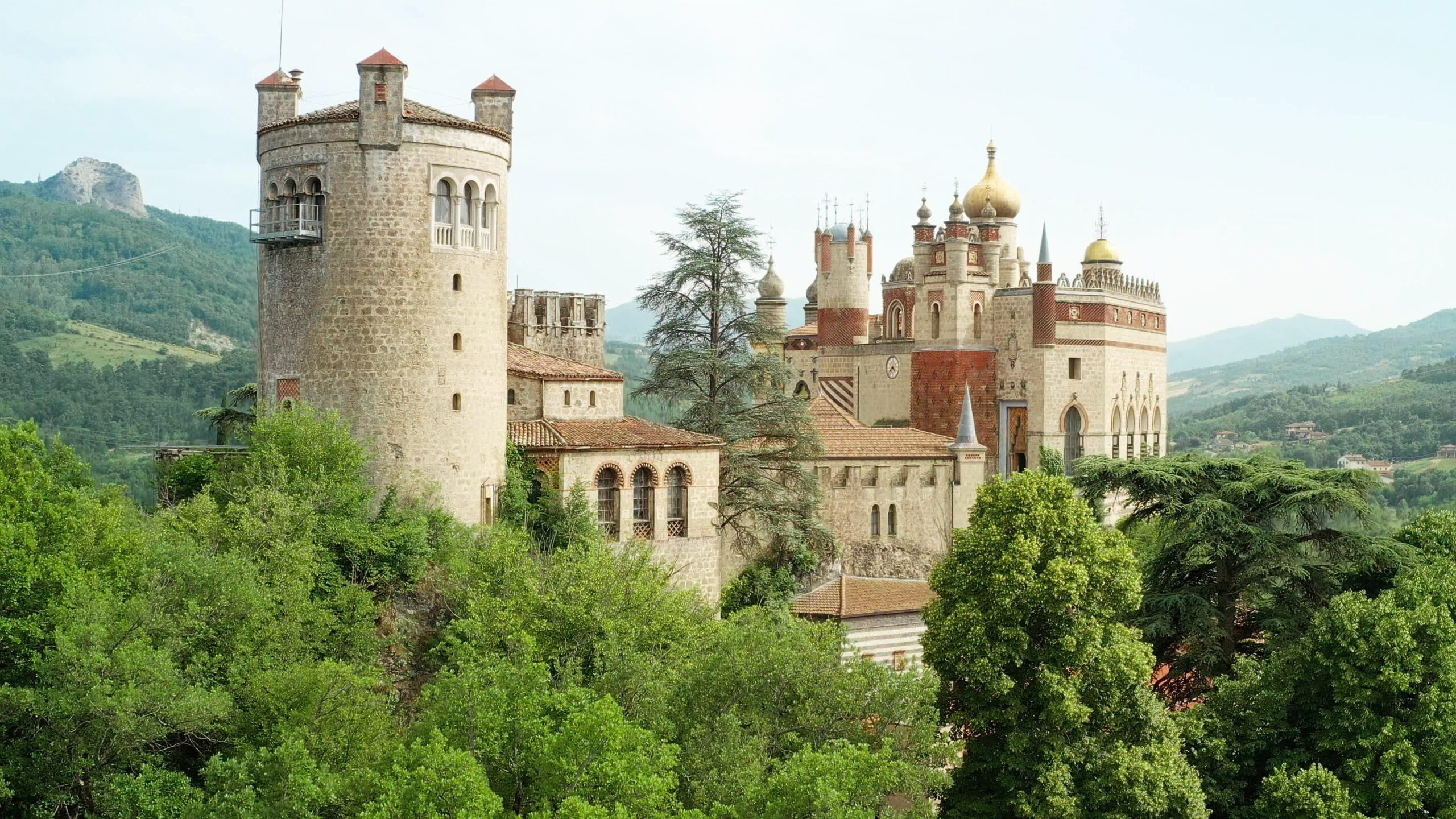
Medieval Spain was not one kingdom but many. In the north, the Pyrenees guarded old counties such as Pallars and Ribagorza. Across the centre, Castile and León produced powerful lordships and noble houses. In the east, the Crown of Aragon brought together Aragón, Catalonia and lands beyond the Mediterranean.

That layered history gives each title in the collection a clear setting: not an abstract rank, but a name tied to a particular medieval place and story.

“A name with a place, a rank with a story, and a gift made for its recipient.”
GOOD TO KNOW

Questions before you choose

The essential points, clearly set out.

What does my Spanish title include?

Your chosen title is prepared around the name you provide, with its historical setting, a personalised appointment certificate and its associated coat of arms.

How do I use my title?

Use it wherever a personal style choice feels right: on calling cards, invitations, personalised stationery, social profiles or as an enjoyable introduction.

Do I need to change my family name?

No. Your family name remains exactly as it is. The title is a personal addition, not a replacement.

Does this make me a noble?

You receive a carefully designed personal title presentation inspired by the history, language and heraldry of medieval Spain.

Can I give a Spanish title as a gift?

Yes. A title presentation makes an unusual and personal gift for birthdays, anniversaries, weddings and milestones.

Can a child receive a title?

Yes. A personalised presentation can be prepared as a memorable gift for a child or for a family occasion.

More questions about using your title
Can I combine the title with my surname?

Yes. Choose the form that feels natural to you: with your first name, surname or both.

Can I use the title at work?

It can appear on a business card, personal website or email signature where it suits your personal presentation.

Can I sign letters or contracts with my title?

You can use the title as part of your personal signature style; official documents should use the details required for that document.

Can I use it for restaurant or hotel reservations?

Yes. It works particularly well for personal reservations and special occasions.

Can my title appear on an ID document?

Requirements for identification documents vary by issuing authority. Your appointment certificate remains a personal presentation document.

May I choose the name shown on the certificate?

Yes. The presentation is prepared around the name you provide when ordering.

What can I do with my coat of arms?

Display it on stationery, a framed print, a signet-style design, luggage, a door plaque or a personal gift.

Which regions are represented?

The collection spans Castile, León, Aragón, Catalonia, Navarra, the Basque Country and the Pyrenees.

Is every title connected to a different story?

Yes. Each title draws on a distinct setting — from frontier lordships and Pyrenean counties to old noble houses and royal lands.

BEGIN YOUR STORY

Find your title in medieval Spain

Visit the shop

Find Your Noble Title

Your Title. Your
Identity.

Since centuries, noble titles have stood for style, rank, and presence. Today, they are a conscious choice – for individuality, identity, and impact. A noble title is more than an addition. It is a statement, a conversation starter, and a refined expression of who you are.

A LITTLE IBERIAN CHALLENGE

How medieval Spanish are you?

Ten questions. Treasure chests, royal chess, alarming bells and absolutely no requirement to own a warhorse.

A title for a young noble

A title for a young noble

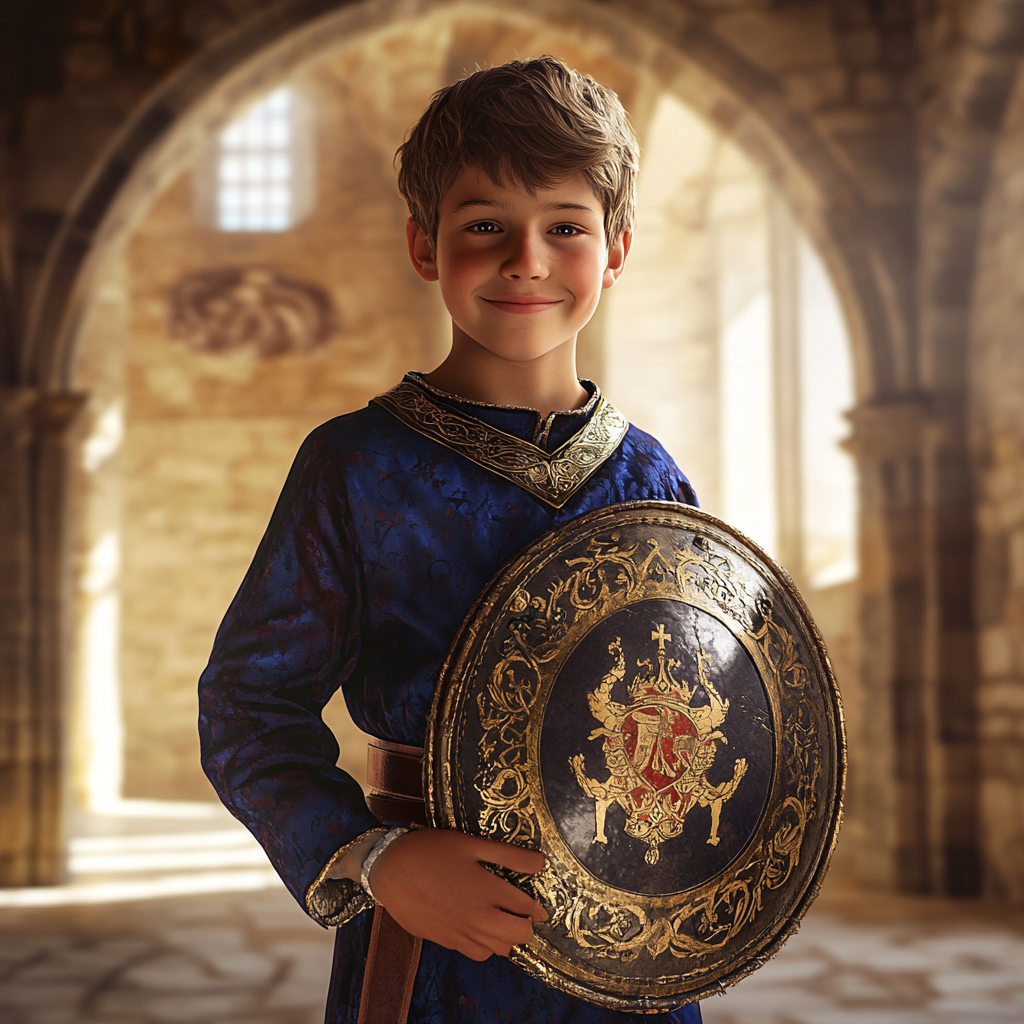
Bestowing a Spanish noble title upon a child is an extraordinary gift that sparks wonder, builds confidence, and creates an unforgettable memory for life.

More

When you claim a family title, your children naturally share in this rich heritage, automatically becoming a Vizconde or Vizcondesa, or a charming Señorito or Señorita. For a young boy or girl, having their very own authentic noble title is pure magic. It makes them feel truly cherished, instills a sense of noble integrity and kindness, and connects them directly to the chivalric stories of history.

A royal Quinceañera

A royal Quinceañera

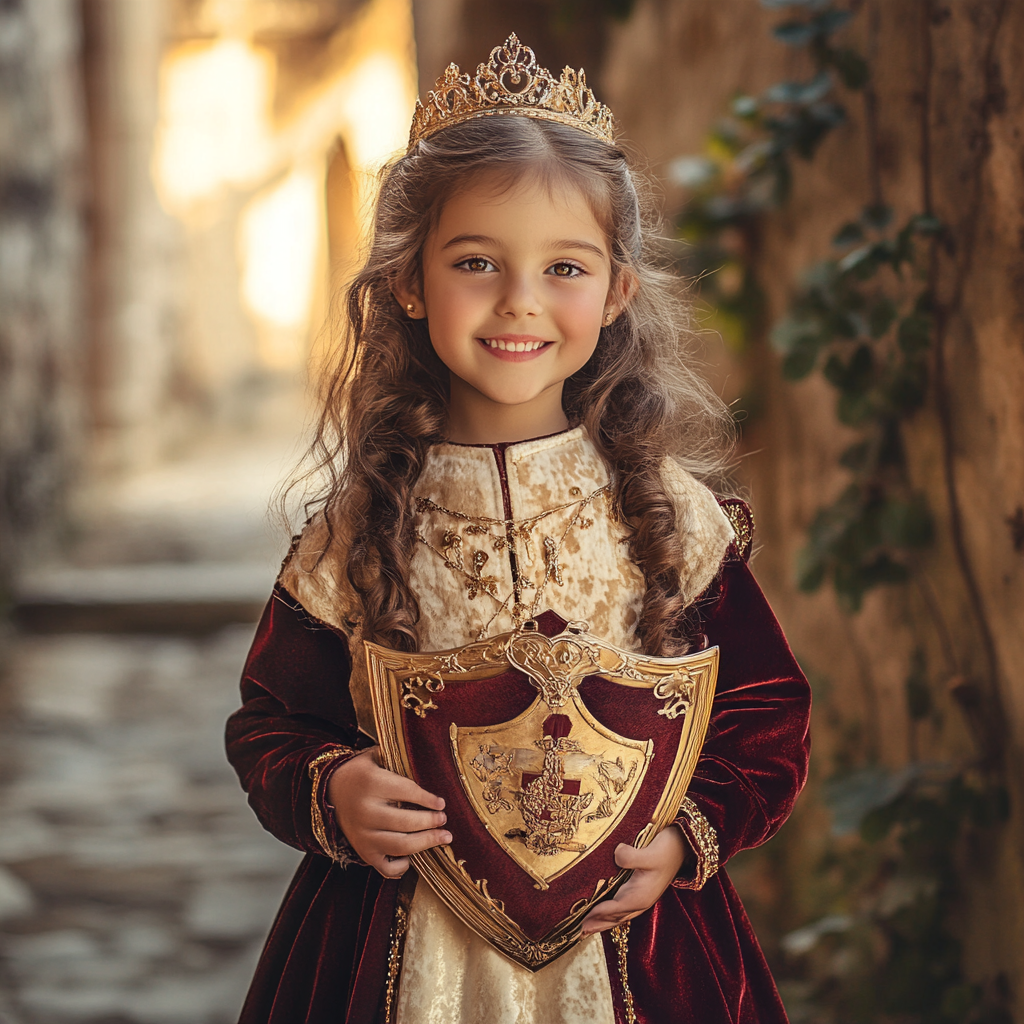
This honor carries an especially tender meaning for young ladies celebrating their 15th birthday. The Quinceañera marks a beloved young girl’s blossoming from childhood into graceful young womanhood.

More

Presenting her with a formal title, complete with a personalized certificate and the family’s coat of arms, acts as a symbolic royal crowning on her special day. It is a heartfelt tribute from parents and grandparents — a timeless expression of love that honors her family roots, celebrates her unique grace, and accompanies her with warmth and pride throughout every step of her future journey.

Your Heraldic Crest

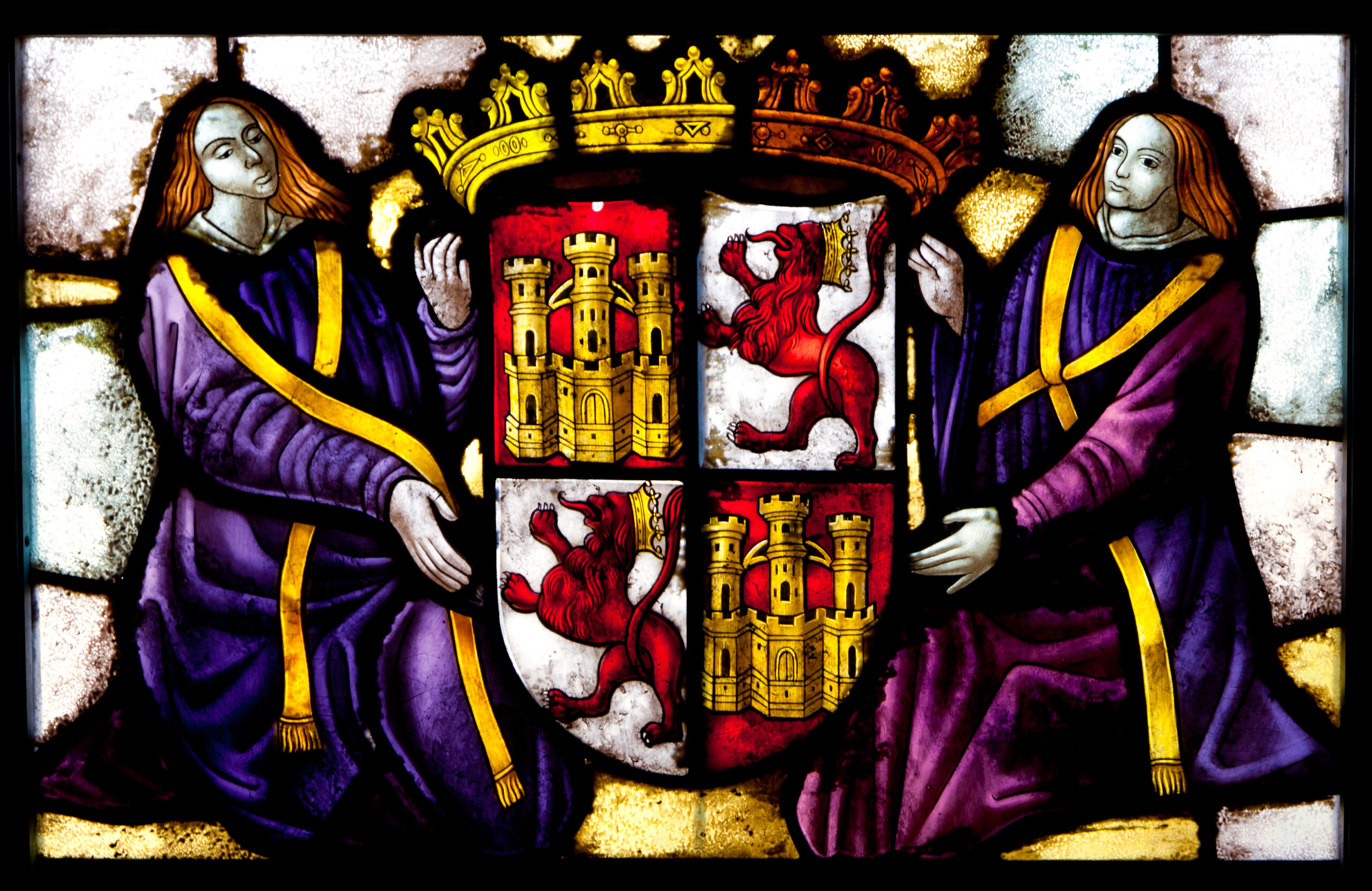
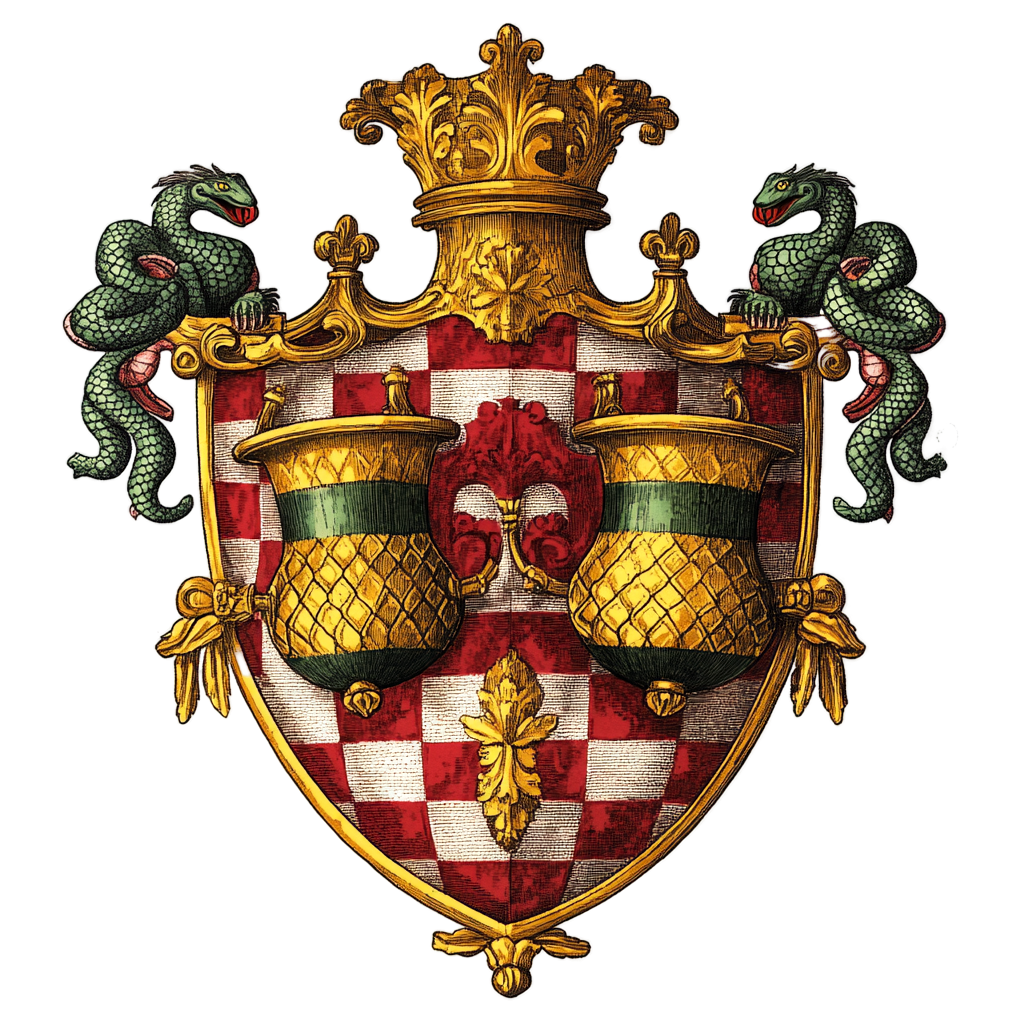
A coat of arms has always been much more than an artistic emblem—it is a timeless reflection of personal dignity, heritage, and values that endure across generations. Alongside your distinguished Spanish noble title, you receive your dedicated authentic heraldic crest, meticulously crafted to honor centuries of Iberian tradition. This historic coat of arms belongs entirely to you, serving as an inspiring visual cornerstone of your household and an unmistakable mark of distinction.

Because your coat of arms is granted for your complete personal enjoyment, you have unlimited freedom in how you choose to celebrate and display it. There are truly no boundaries to your creativity. You can gracefully feature it on personalized stationery, formal correspondence, and executive business cards, lending an elegant, memorable touch to every greeting. At home, it makes an extraordinary impression when crafted into a stately door plaque, an engraved entryway sign, or a framed centerpiece above the mantelpiece.
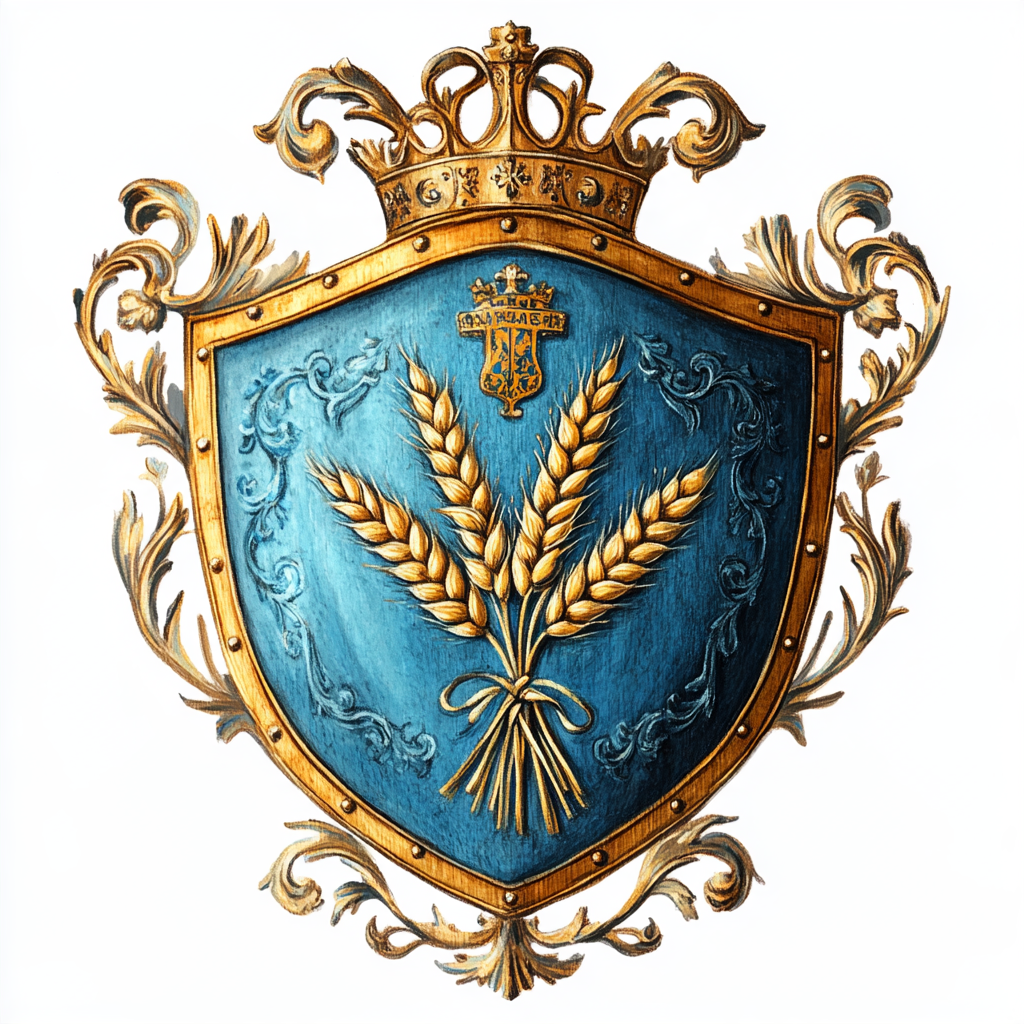
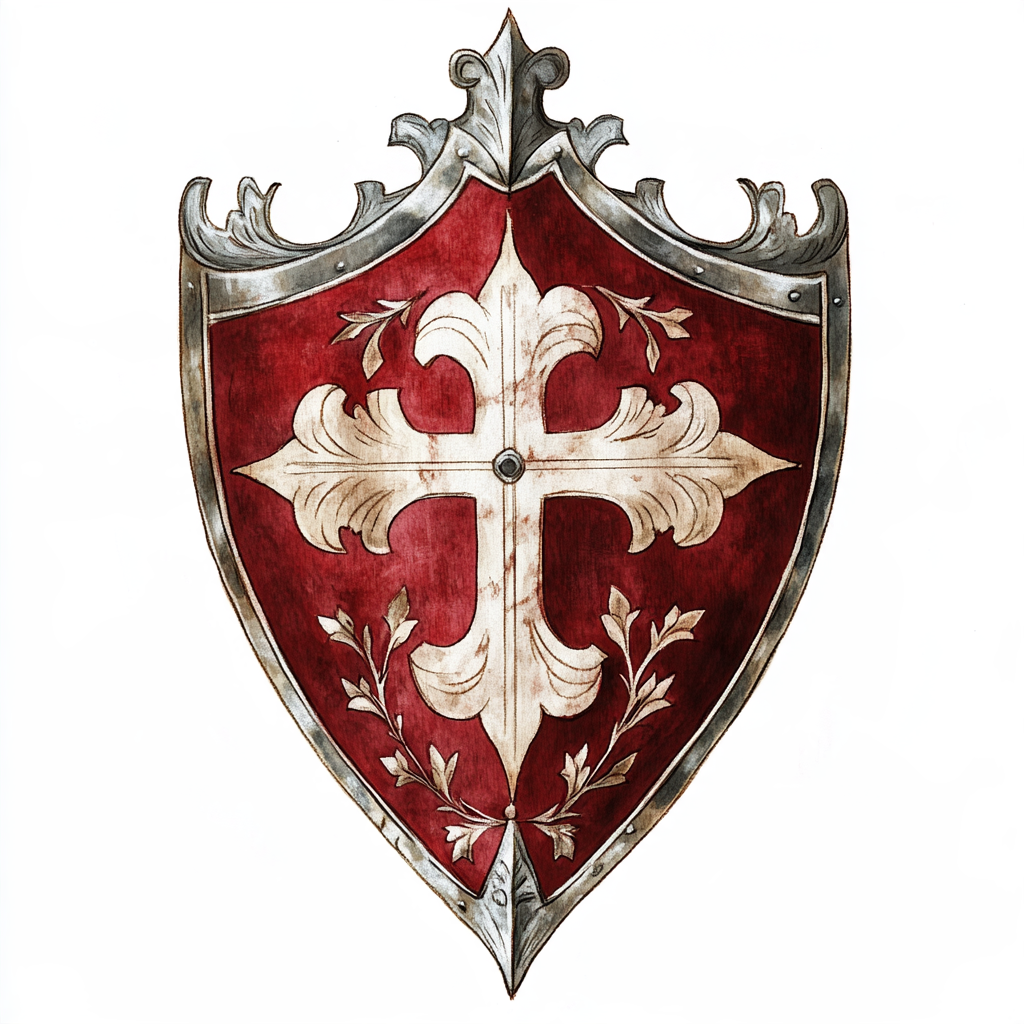
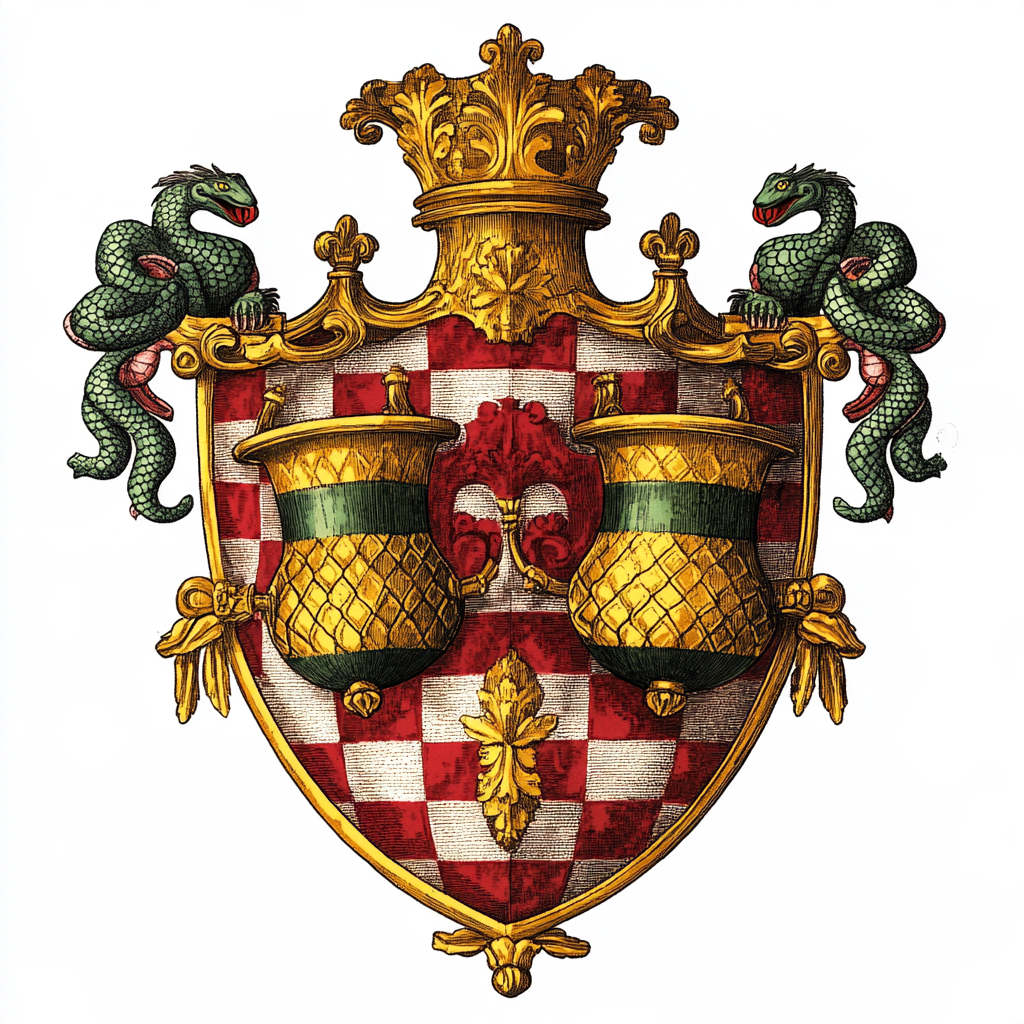
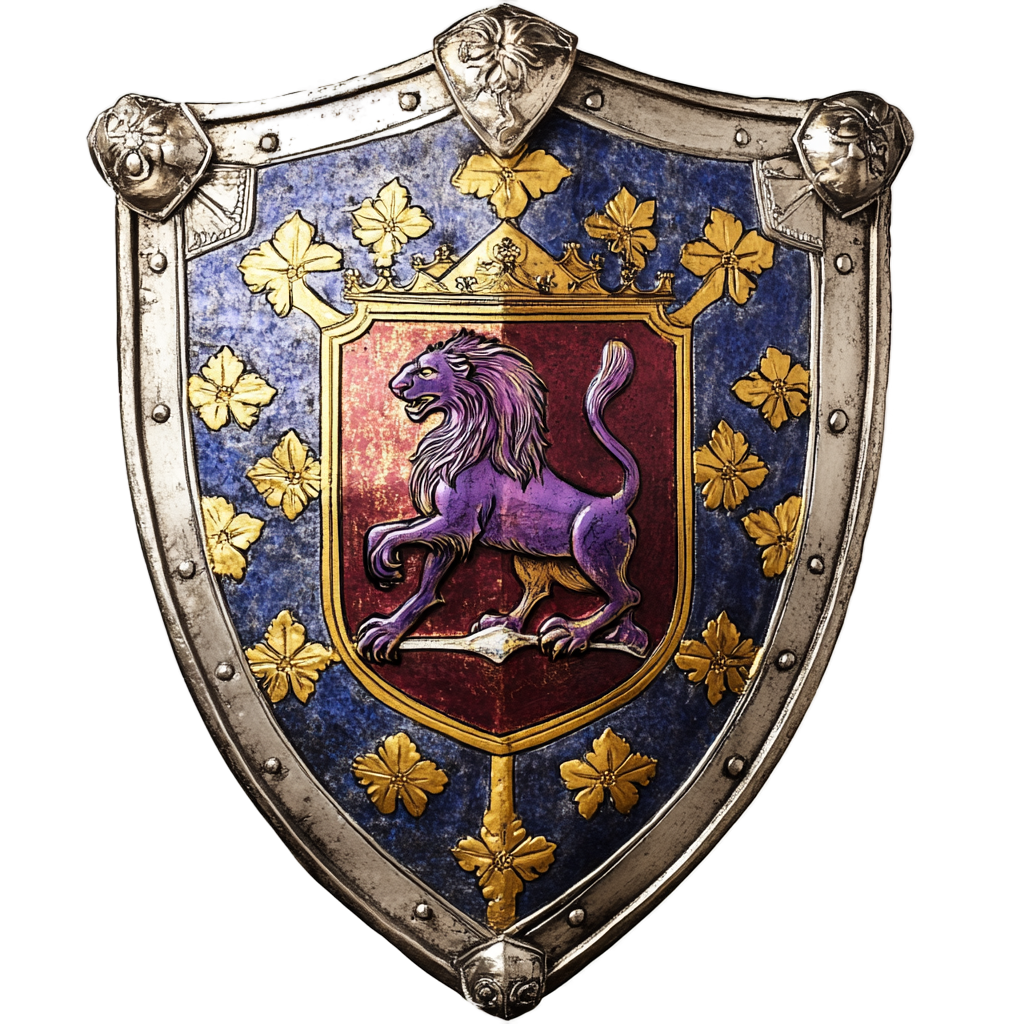
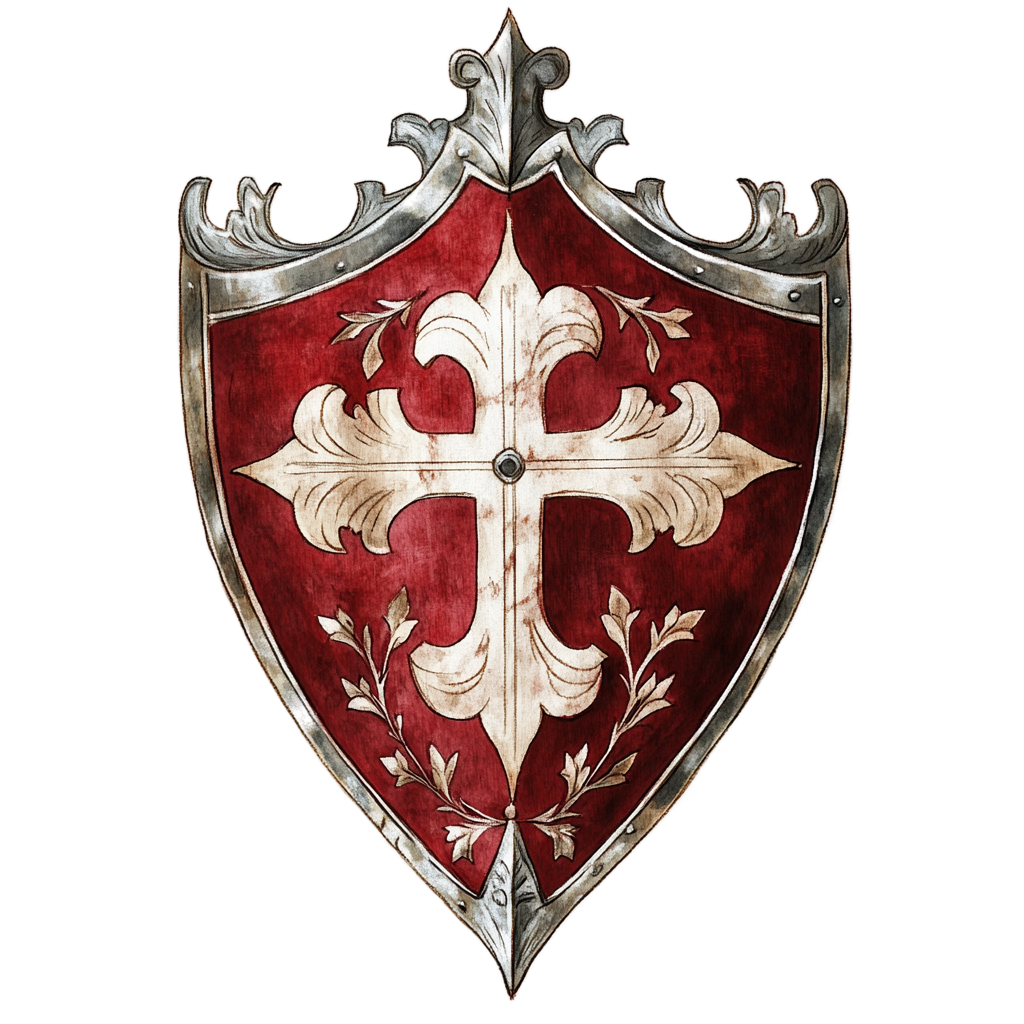
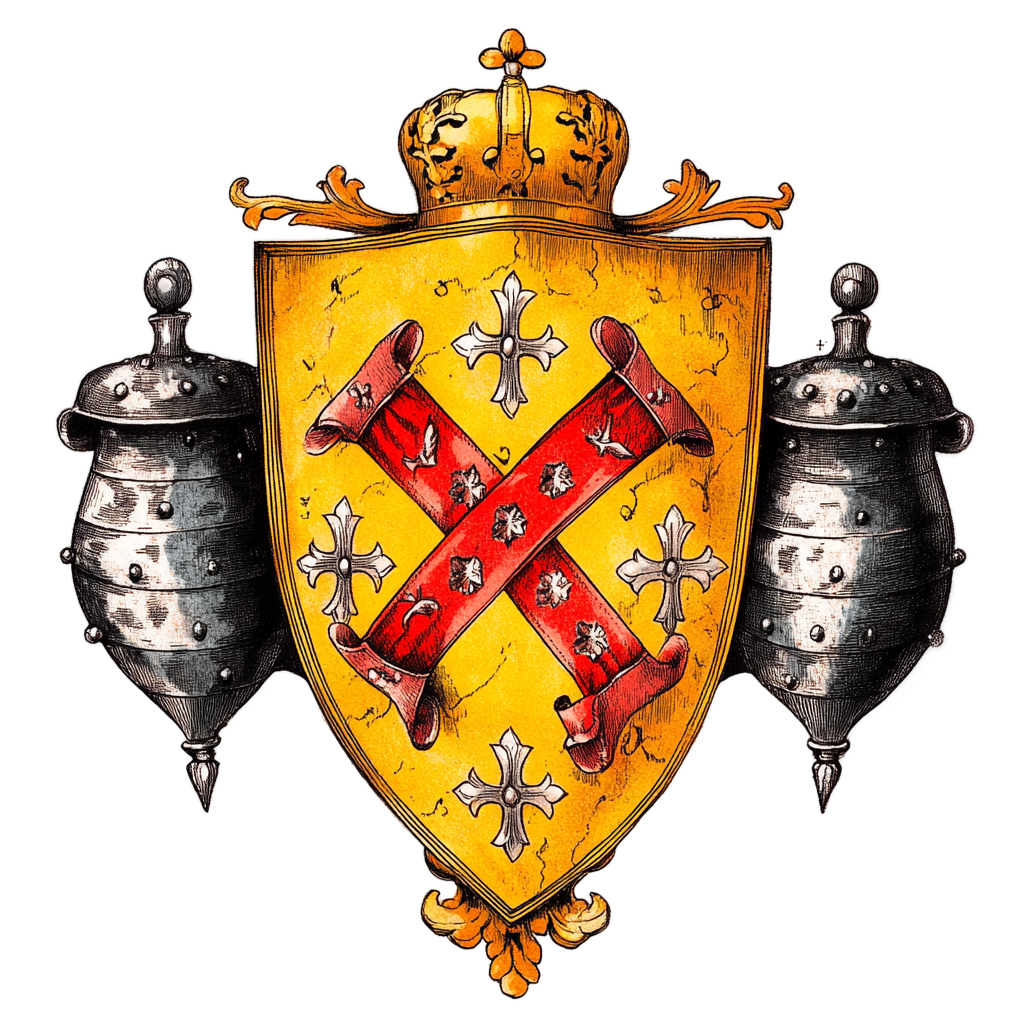
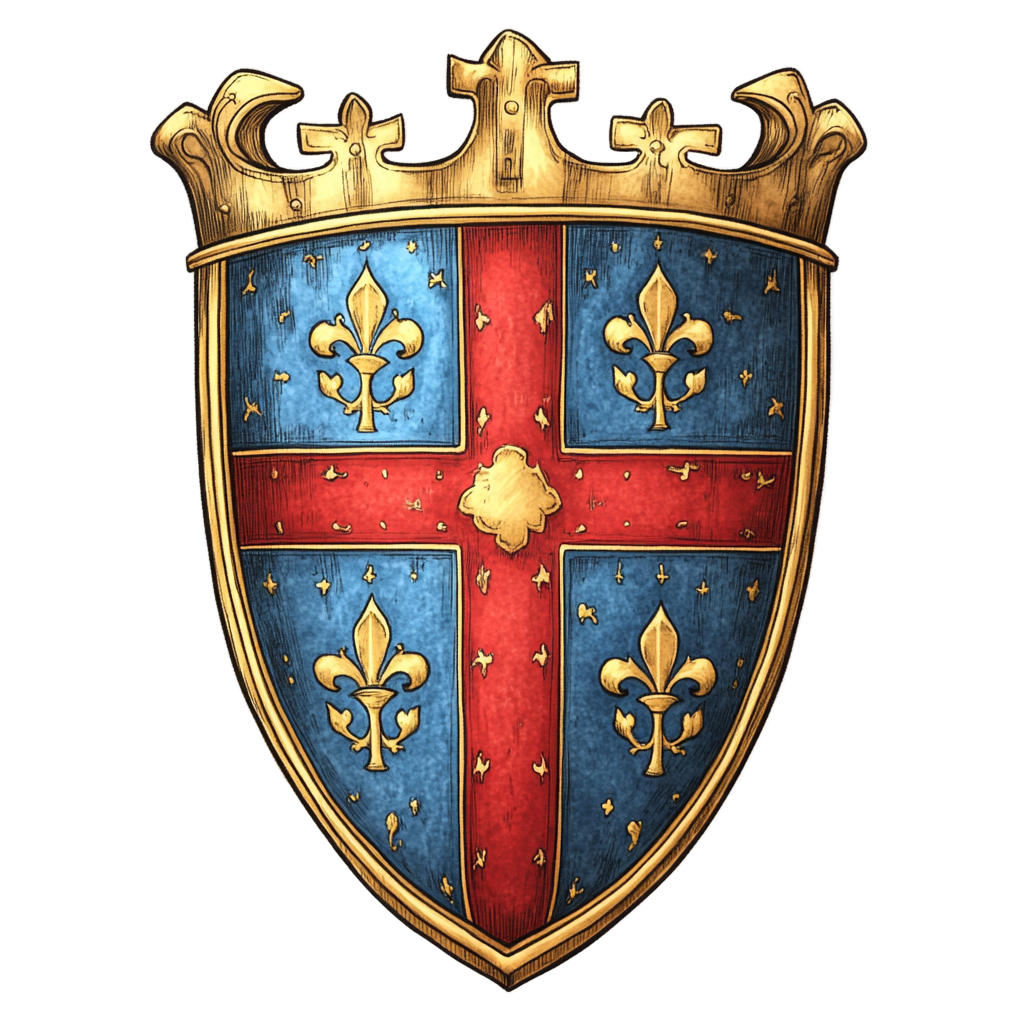
Pallars coat of arms   Albarracín coat of arms   Lara coat of arms

For everyday life and travel, your heraldic crest transitions effortlessly into modern personal style. Emblazon it proudly as a tasteful decal on your car, have it embroidered as an exclusive patch on polo shirts, blazers, jackets, or travel bags, or even engrave it onto a signature signet ring. However you decide to showcase it, your coat of arms stands as a warm, welcoming symbol of family pride, unity, and honorable standing—a wonderful conversation piece that connects your modern journey with the romantic nobility of history.